
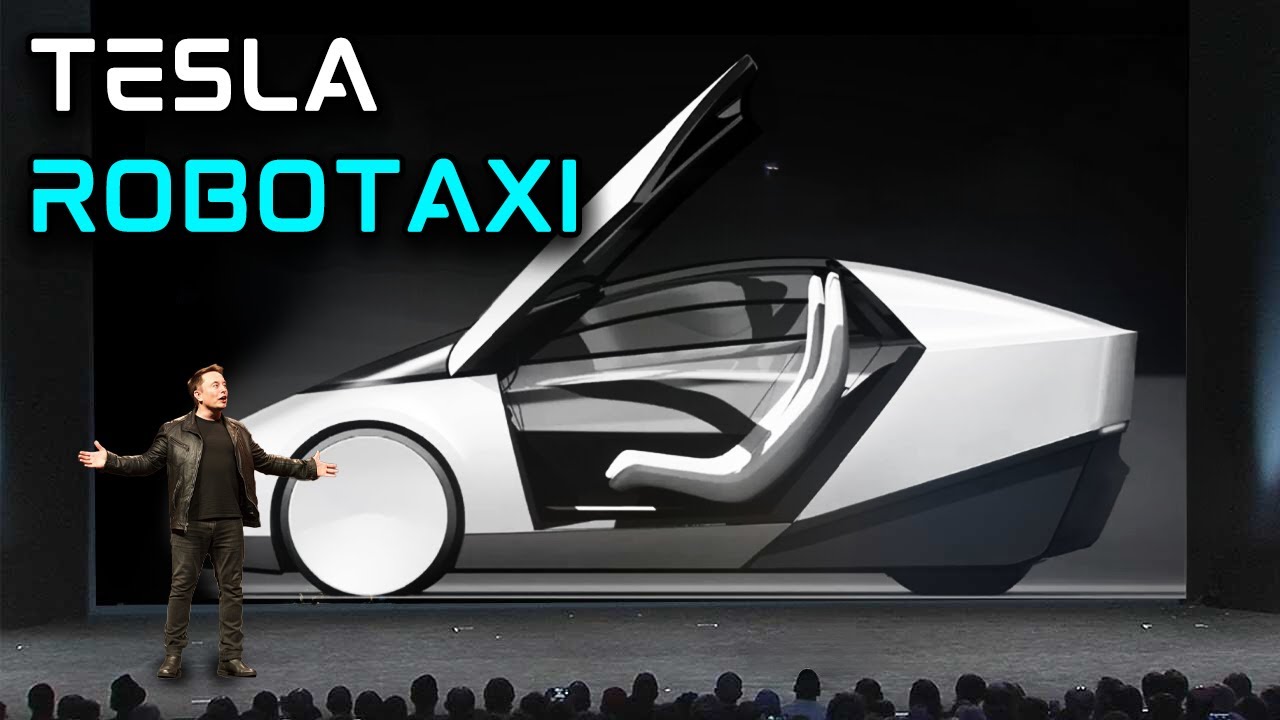
Tesla is set to launch its highly anticipated robotaxi service in Austin, Texas, marking a significant move in its ambitious push into the autonomous vehicle (AV) market. CEO Elon Musk announced via X that Tesla has already been testing Model Y vehicles without safety drivers in Austin, signaling the imminent rollout of their service, initially featuring 10 vehicles but potentially expanding rapidly if successful.
Austin: A Competitive Hotspot for Autonomous Vehicles
Tesla enters an increasingly competitive AV landscape in Austin, chosen for its technology-friendly infrastructure, robust AI talent, and notably favorable regulatory environment. Key industry players such as Alphabet’s Waymo, Amazon’s Zoox, Volkswagen’s ADMT, and startup Avride already have significant operations in the city.
Waymo partnered with Uber in March 2023, quickly gaining traction with consumers in Austin, becoming busier than nearly all traditional Uber drivers in terms of daily completed rides. Zoox and Volkswagen have similarly conducted extensive testing, while local startup Avride plans to launch its commercial robotaxi services later this year.
Why Austin is the Go-To Location for AV Companies
Austin offers AV companies numerous advantages: a tech-savvy population, extensive local robotics and AI talent, affordable housing, and unique infrastructure conducive to AV testing and deployment. However, the principal factor remains Texas’s state-wide AV regulations, which simplify operational requirements significantly compared to states like California.
Texas’s regulatory framework prohibits municipalities from independently regulating AVs, providing AV companies uniform statewide rules that include standard vehicle requirements such as registration, insurance, and data recording for incident documentation.
Tesla’s Unique Approach and Challenges
Unlike competitors relying on sensors like lidar and radar, Tesla utilizes a camera-based vision system, a method Musk claims is more scalable and cost-effective. Yet, despite Musk’s longstanding promise of self-driving technology, Tesla faces skepticism due to repeated delays in meeting self-imposed timelines.
Waymo, Tesla’s major competitor, emphasizes safety and experience, having operated continuously for years. Waymo executives underscore their cautious, safety-first approach, contrasting sharply with Tesla’s more ambitious yet less tested strategy.
Regulatory Landscape and Future Developments
Although Austin’s and Texas’s AV-friendly regulations have attracted multiple companies, concerns remain regarding the ability of local authorities to manage incidents involving autonomous vehicles effectively. Recent hearings in the Texas Senate have highlighted the urgent need for clear regulations and operational guidelines for emergency response involving AV incidents.
Industry experts and local officials stress the importance of establishing robust safety protocols and engagement strategies between AV operators and first responders, something several companies, including Zoox and Waymo, already practice proactively.
Looking Forward
With Tesla entering Austin’s AV ecosystem, the stakes are higher than ever. As companies scale operations, the autonomous vehicle industry remains under close watch from regulators and the public alike. Tesla’s performance in Austin will serve as a pivotal indicator of the viability of its ambitious robotaxi vision, potentially influencing AV regulations and market acceptance nationwide.

 market.)